ForwardEdge Partners

Real-time signals, portfolio tracking and a partner network of traders — the short version of what the market is doing, and what it costs you to ignore it.

  • Signals
  • Portfolio tools
  • Partner network

What we actually run

Real-time market signals

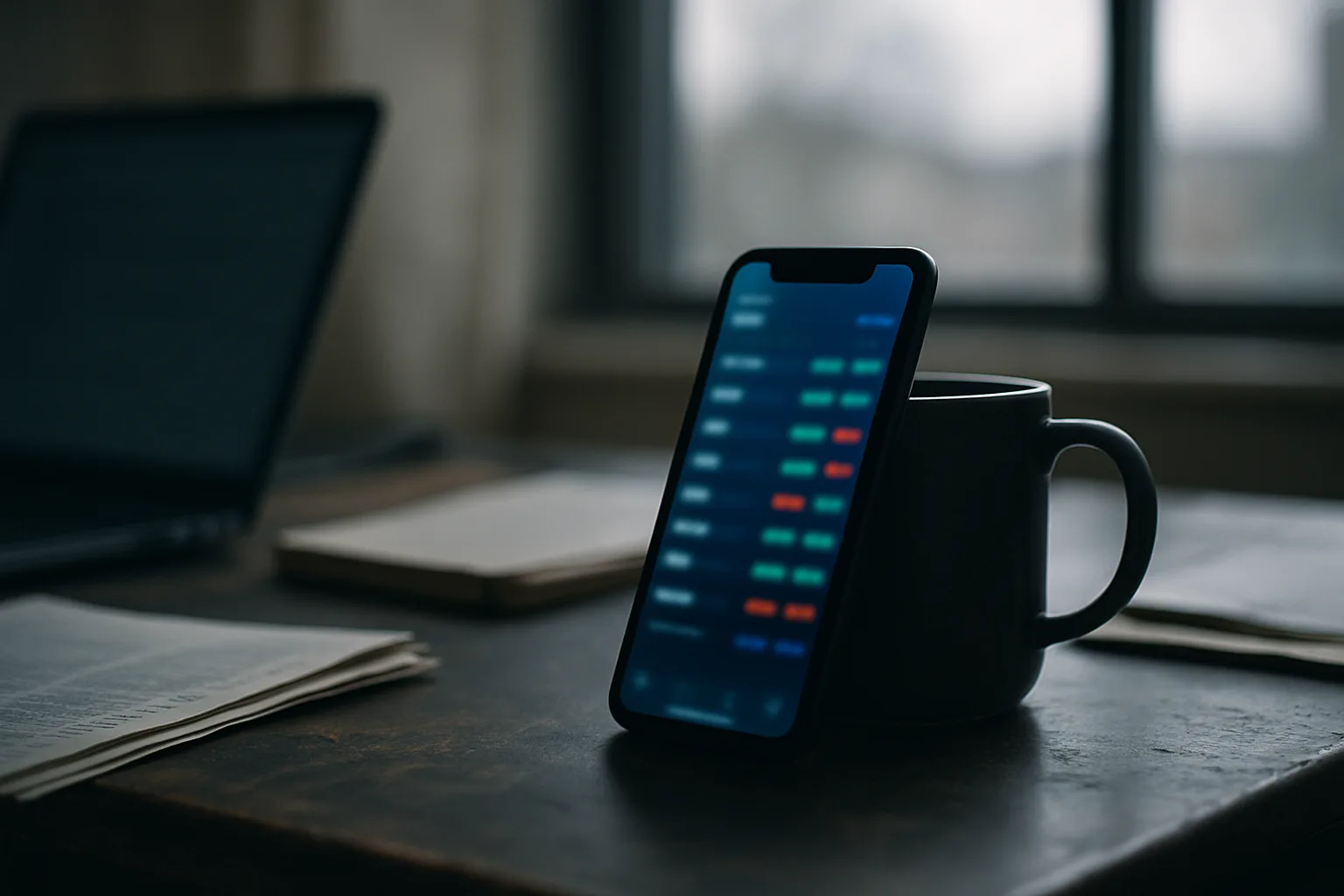
Price, volume and volatility conditions watched continuously across the instruments you follow, pushed the moment a level is taken rather than an hour after the close. Every signal carries the reason it fired, not just an arrow.

Portfolio tracking that shows exposure, not just P&L

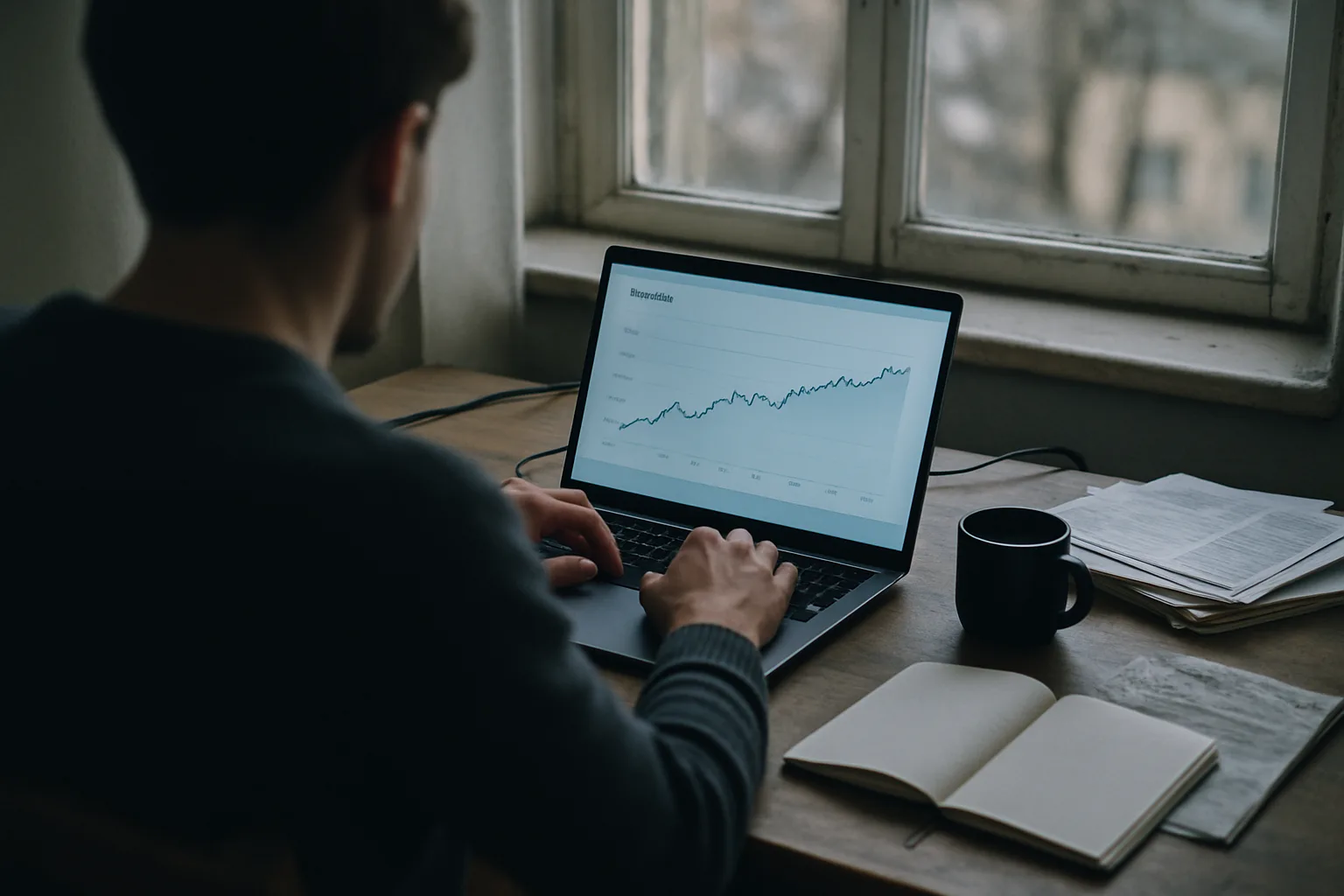
Positions consolidated in one view with concentration, correlation and drawdown surfaced beside the number you already know. You see where the risk actually sits before the market shows you.

Analysis written for people who trade

Session notes and instrument breakdowns that state the setup, the invalidation and what would change the read. No filler, no recap of yesterday's headlines.

A partner network for shared trade ideas

A closed room of active traders posting ideas with entry logic attached, and arguing with each other about them. Half the value of a desk is the person across from you disagreeing out loud.

Strategy education, taught as method

Position sizing, risk-per-trade, journaling and how to run a strategy long enough to know whether it works. Built for traders who want a process they can repeat, not a tip.

On what an edge actually is

Most people looking for an edge are looking for a signal nobody else has. That is the wrong hunt. Information moves fast enough now that pure exclusivity lasts minutes, and by the time it reaches a retail screen it is already priced. What lasts is process: seeing the same conditions the same way every session, sizing them consistently, and knowing in advance what would make you wrong.

That is the assumption ForwardEdge Partners is built on. The tools exist to shorten the distance between a market condition and your decision about it — not to make the decision for you.

Speed is only half of it

A signal that arrives late is worthless. A signal that arrives fast and unexplained is worse, because you take it without knowing what you took. Every alert we push says which condition triggered it and on what timeframe, so you can throw it out in two seconds if it does not fit what you are doing. Most of them, honestly, you should throw out. The value is in the few that land on a setup you already understand.

You cannot manage what you are not looking at

Traders track profit and loss obsessively and exposure almost never. Then three positions turn out to be the same trade wearing different tickers, one macro print moves against them at once, and the account takes a hit nobody modelled. Portfolio tracking here starts from exposure — what you are actually long, how correlated it is, what a bad day looks like — and treats P&L as the output it is.

The room matters

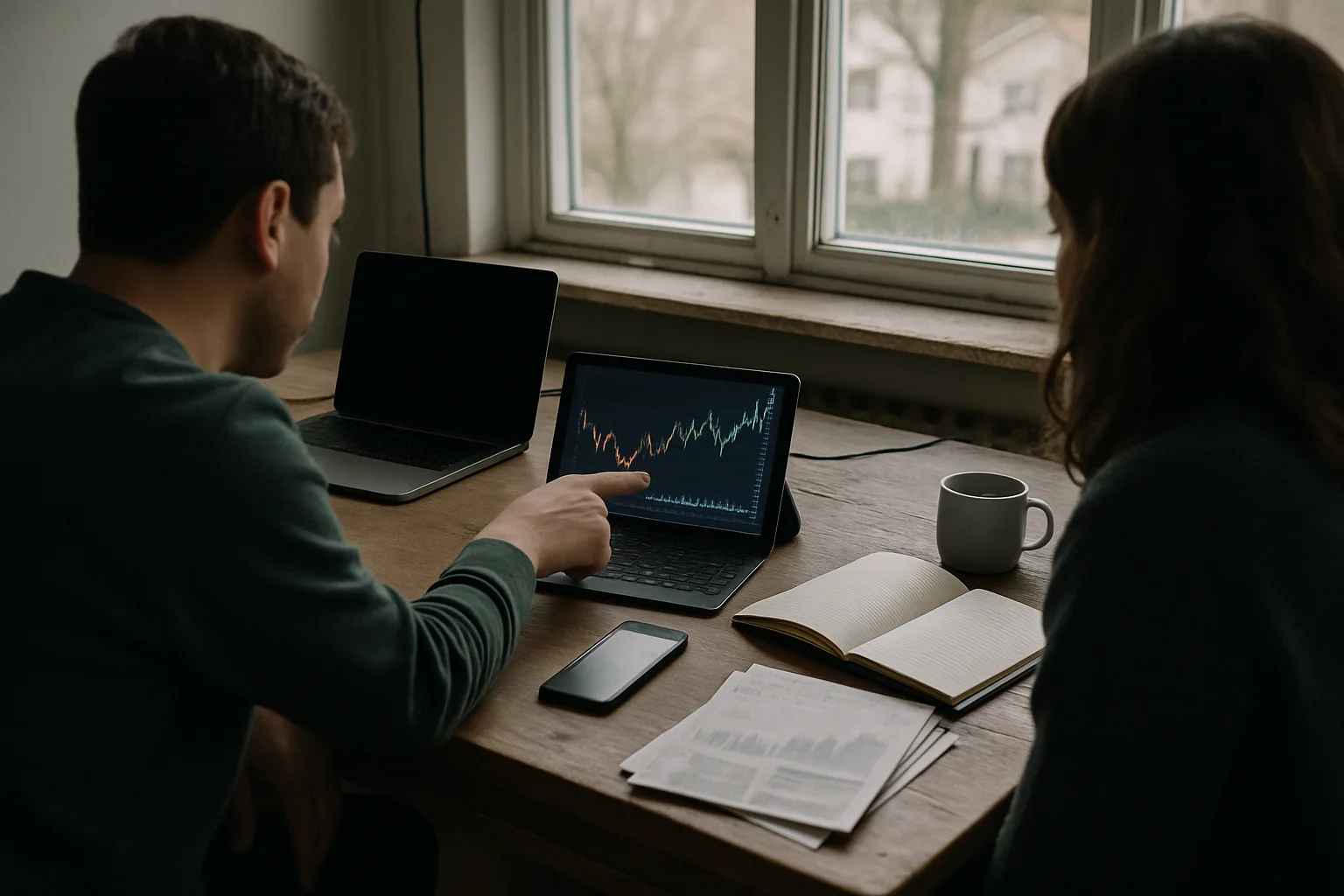
Sitting alone with your own reasoning is how bad ideas survive. On a real desk somebody leans over and tells you the trade is crowded. The partner network is that, deliberately: ideas posted with the logic attached, open to being taken apart. You will not agree with most of it. Disagreeing with a specific argument is more useful than agreeing with a vague one.

What we do not do

We do not manage money, we do not promise outcomes and we do not sell certainty — nothing on this page is investment advice, and anyone quoting you a return is selling something else. Markets take money off skilled people regularly. What good tooling buys you is fewer unforced errors, faster reads and a record honest enough to learn from. Over a long enough run, that is the whole edge.

If that sounds like the way you already want to work, the next step is a conversation about what you trade and whether any of this fits it.
How access is set up

Four ways people come in. Most start with the desk and add the rest once they know how they use it.

Signal Desk
Most requested

Signal Desk

The core feed: live conditions on your watchlist, pushed with the reason they fired.

  • Live alerts on your instruments
  • Trigger logic shown on every signal
  • Session open and close notes
  • Mobile push and desktop view
Portfolio Intelligence

Portfolio Intelligence

Your positions in one view, with exposure and correlation on the surface instead of buried.

  • Consolidated position tracking
  • Concentration and correlation view
  • Drawdown and risk-per-trade tracking
  • Exportable trade journal
Partner Network

Partner Network

The closed room where members post ideas with their reasoning attached and argue them out.

  • Idea threads with entry logic
  • Instrument-specific channels
  • Weekly review of what worked
  • Introductions by trading style
Strategy Programme

Strategy Programme

Structured education on running a strategy: sizing, risk, journaling, review.

  • Position sizing and risk framework
  • Journaling method and templates
  • Strategy review sessions
  • Recordings kept for members

Access is arranged after a short conversation about what you trade. Nothing here is investment advice.

How it starts

  1. You send the enquiry

    Name, email and a line on what you trade — equities, futures, FX, crypto — and how often you are at the screen.

  2. We talk it through

    A short call about your instruments, timeframe and what you currently do badly. If the tooling does not fit how you trade, we will say so on that call.

  3. Your desk is configured

    Watchlist loaded, signal thresholds set to your timeframe, existing positions imported so the portfolio view is live from day one.

  4. You run it and we review

    You trade your own process with the feed and the room behind it, and we sit down after the first stretch to see what you actually used.

Talk to the desk

Tell us what you trade and we will tell you straight whether this fits it.

  • A trader reads it, not a sales queue
  • We come back to you by email to arrange the call
  • First conversation is about your instruments and timeframe — nothing to install beforehand